
Domestic abuse has the power destroy families, often goes unrecognised by its victims and cases surged during the Coronavirus pandemic – rising 100 percent in the first seven weeks alone.
A high-profile online Supporting Domestic Abuse Awareness conference, organised by the Lincoln-based Naomi Watkins Counselling Hub CIC (NWCH CIC) in partnership with Ending Domestic Abuse Now (EDAN Lincs) and Pepperells Solicitors attracted scores of health professionals, employers and therapists.
Keynote speaker Ryan Hart opened the event, speaking movingly about how domestic abuse had been at the root of a family tragedy.
Ryan and his brother Luke are the sole survivors of a shocking, life-changing incident which took place in Spalding on June 19, 2016, the day their father Lance shot their mother Claire and sister Charlotte, before killing himself.
“My father had been using coercive control (over the family) but we had no idea what was going on. We had normalised what was happening and my brother and I only survived because we had been working abroad. We had returned home and moved our mum and sister into a rented house five days before, to start them on a new life,” said Ryan.
He admitted to being dismayed by some national news reports which he claimed had painted their father Lance, as a “caring, nice man. Despite 25 years of struggles, no-one had asked why the family was fleeing, he claimed.
“In our opinion, our father’s suicide note was really a murder note. I didn’t think we had been facing domestic abuse. Dad used to say, “life is hard and has its ups and downs” and I believed him. I didn’t think he was dangerous,” said Ryan.
At school, the Hart children were diligent and obedient. Determined to succeed in life, they became over-achievers.
Meanwhile, their father’s control mechanisms included keeping a tight grip on finances and giving inherited money away.
“He rationed mum’s wages and demanded to know what she was spending money on. He stopped her from having coffee with friends and denied her the use of social media and the mobile phone. Dad portrayed himself as the protector of the family. We became to believe our problems were due to a lack of money,” said Ryan.
“He turned our home into a prison. Mum had Multiple Sclerosis and he kept stalking her at the supermarket where she worked part-time. Stalking is a red flag in coercive control. But, because people didn’t know what they were seeing or what to do about it, the red flags went unnoticed.
Although there were no visible signs of abuse, such as broken bones, the family home became a suffocating environment and lives were being eroded. Lance Hart had perfected coercive control. Ryan believed his father saw himself as someone commanding servitude. Could anything have helped?
“Intervention-wise, the first thing that we needed was education. We were blind. Coercive control is not obvious,” he added.
EDAN Lincolnshire’s Celia Madden and Shelley Bamford said the organisation is working hard to help people to live free from domestic abuse, whether physical, psychological, online, financial or sexual.
Celia said: “Ryan’s experience is typical. We take a multi-agency approach to helping sufferers because we recognise other agencies may already be working with a family facing problems.
“We want to raise awareness through our outreach work and by offering one-to-one support. We get referrals and we look at how children may have been affected, by taking a family-focused approach and we have excellent links with schools. It is vital that people pick-up the red flags.”
ManKind is a training consultancy and develops programmes to support male victims, whilst acknowledging that women can be victims too.
Spokeswoman Marilyn Selwood said: “We want to see parallels between male and female referrals. Covid has led to a 35 to 45 per cent rise in demand for help. The Government is clear that men have been stopped from seeing their kids and that there have been breaches of child arrangement orders.
Masculine issues – such as shame, not wanting to draw attention to their problems, worries about being seen as vulnerable and fears about leaving their children behind – are common barriers which stop men from seeking help.
But Marilyn added that lots of positive things are happening, include the use of helplines, training, campaigning and also networking for professionals.
Sharon Walker highlighted the work of the Make A Change initiative, developed by Respect. It provides a community-wide early response for people worried they may be being abused or were previously abused in intimate relationships. People can self-refer themselves to Make A Change, which is available in Lincolnshire.
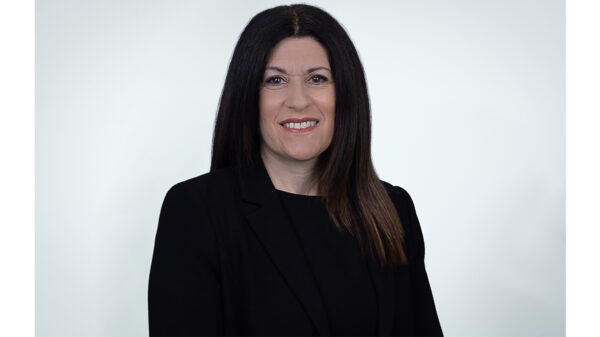
As a professional counsellor and a trainer for the police in the field of Domestic Abuse, conference lead Naomi Watkins-Ligudzinska said it is vital that therapists take great care when supporting victims.
“Domestic abuse is massively underpinned by fear. On average someone will leave and return to their partner seven times. Therapists need to know how to keep the client and themselves safe throughout this time.
“I am a trainer in dealing with domestic abuse cases for Lincolnshire Police, which is subject to CPS guidance, and would remind therapists that it is very important that they remember to ask clients if they currently going through legal proceedings,” added Naomi.
In addition to workshops run by Naomi and EDAN Lincs, Pepperells Solicitors hosted two sessions, with Family Law team members about help available through the Legal Justice System. A second session led by the firm’s Corporate Team and Great HR advised employers how to spot and respond to signs of domestic abuse.
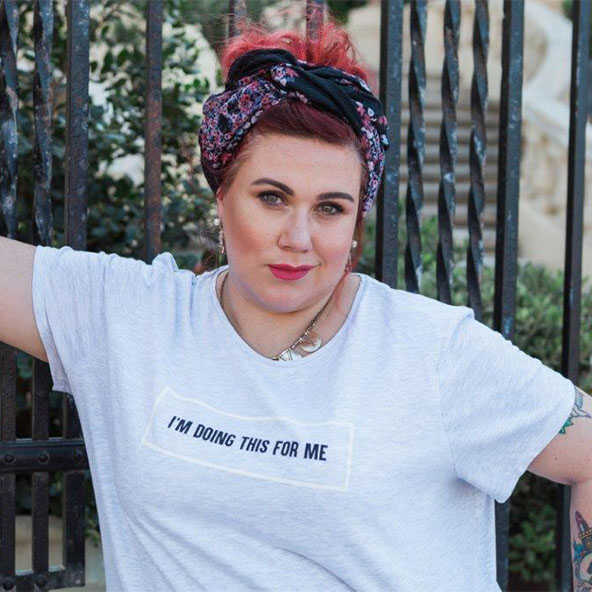
Despite the serious nature of the conference, it ended on an upbeat note, with an inspirational address by former domestic abuse survivor Dani Wallace –popularly known as The Queen Bee!
Dani, the founder of The FlyAway Foundation ploughs her energies into helping former victims, who have received help and are now ready to move forward.
“I really want to share the work being done out in the world and within my foundation, which is intended to bring people hope on the other side of abuse. For many people there is a point of crisis, but it’s what happens after that.
Dani said the experiences lived by her and her sister when growing up were “normal” for them, but not right. She wanted to feel in control of her life and ultimately to be “a changemaker.”
As a singer and entertainer, with the ability to make people, she changed her life with the launch of her Foundation.
“We don’t talk about victims and survivors, but we talk about people looking forward with hope. I’m super proud to say that we now have 10 businesses working with us, which are financially independent, their owners have a sense of wellbeing and pride. There is light at the end of the tunnel,” said Dani.