
A.W. Lymn The Family Funeral Service is urging local authorities across the UK to act with dignity and compassion when supporting families arranging bariatric funerals.
The call comes after Wolverhampton Council faced widespread criticism for proposing a significant surcharge for larger burial plots at Danescourt Cemetery. The so-called “fat tax” would have seen families charged £2,700 for a 6ft wide grave, a 20 percent increase on the cost of a standard 5ft plot. Following public backlash the council reversed its decision.
According to the UK government, as of May 2025 approximately 64.5 per cent of adults in England are overweight or living with obesity, which continues a rising trend since 2015. As rates of obesity rise across the country, the funeral profession has had to adapt to the practical requirements of caring for larger individuals, from reinforced stretchers and specialist lifting equipment to wider coffins, larger hearses, and crematoriums with enhanced facilities. Yet not all providers are prepared, and some families are facing unexpected costs and limited options at a deeply emotional time.
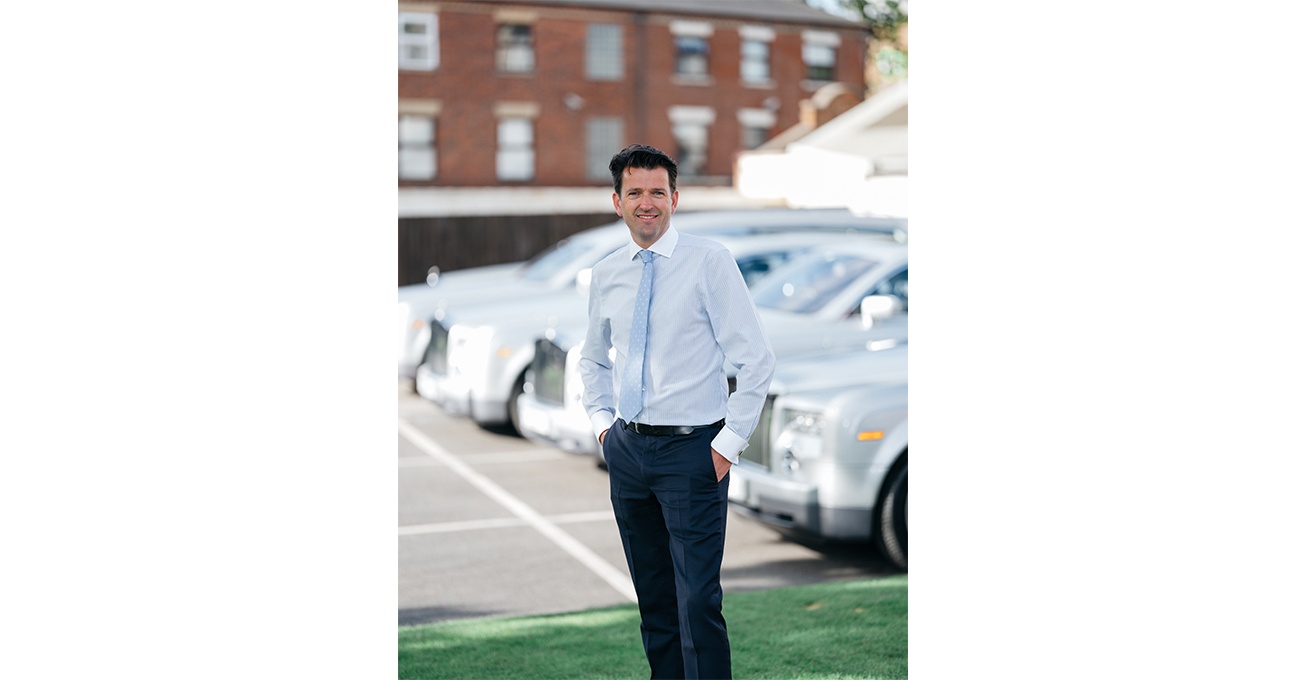
Matthew Lymn Rose, fifth-generation Lymn and Managing Director of the award-winning East Midlands funeral directors, believes that more must be done to ensure families are treated with respect and fairness. “Every individual deserves dignity in death, regardless of size. That’s our core belief, and it should be a shared standard.” He said, “Handling bariatric funerals is not just about equipment, it’s about empathy.”
Some councils already apply additional charges for wider graves, including Birmingham, Walsall and Telford. While the rationale is often based on the increased cost of land, excavation and equipment, critics argue that such surcharges risk placing a financial burden on grieving families and may unintentionally stigmatise those with larger bodies.
Matthew is calling for a more consistent and sensitive approach across the country. He added: “Additional costs should always reflect actual additional resources and never feel punitive. Transparency is vital. So is compassion. We should be guiding families, not overwhelming them with unexpected fees at a difficult time.”
The issue was further highlighted when the BBC asked 27 West Midlands local authorities if they charge more for wider burial plots and over a third said yes. While such practices are not uncommon, the public response in Wolverhampton suggests many families are unaware of these policies until faced with them directly.
However, Matthew highlights that the logistical differences with bariatric funerals can be overcome and should never take president over the care towards the family and dignity of the deceased.
“We want to reassure families that they won’t be judged, and that practical obstacles can always be met with care and professionalism,” added Matthew. “The focus must always remain on delivering a respectful and meaningful farewell.”
A.W. Lymn operates 25 funeral homes across the East Midlands, in Nottinghamshire, Derbyshire and Leicestershire, employing more than 130 people. Established in 1907, the firm is now in its fifth generation and remains proudly family-run.