
There’s something compelling about second-hand jewellery. There’s a story there, about the person who once chose that piece. They wore it, loved it. When you buy pre-loved pieces, you begin your own chapter.
But even with charm and sentiment on your side, navigating the second-hand market can feel like a gamble if you’re not sure what to look for. Whether you’re eyeing a vintage engagement ring or a timeless gold bracelet, knowing how to assess quality, authenticity and value helps you buy with confidence.
Understanding why second-hand is cheaper
Pre-owned jewellery often comes with a less costly price tag than its newer counterparts.
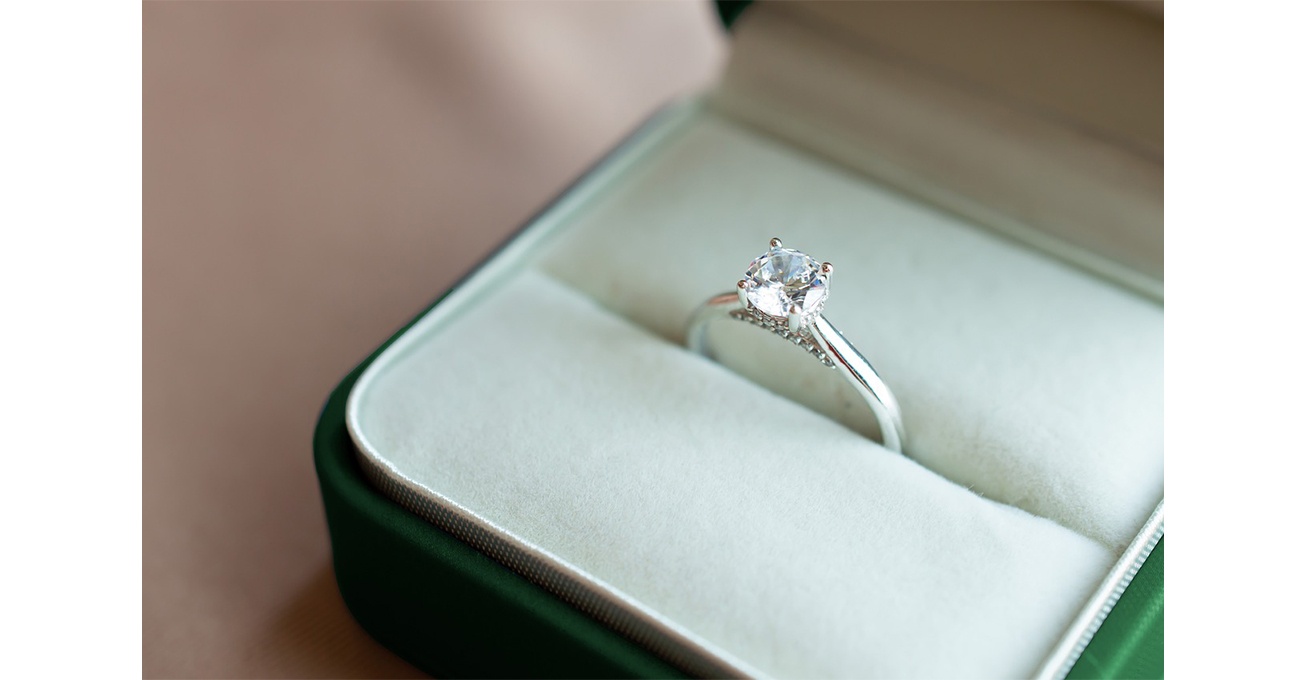
When you browse second-hand diamond rings, for instance, you might notice that prices often sit below what you’d expect to pay in a high-street jeweller. In most cases, second-hand diamonds resell for around 25% of their original retail price. This sharp drop isn’t because the stones lose their physical quality; it’s about perceived value and demand.
Diamonds, like cars, depreciate once sold. Retailers mark them up to cover branding, overheads and sales commissions. When owners resell, those added costs disappear, but the stone itself hasn’t changed. The global diamond market has also seen a consistent oversupply of natural diamonds and growing demand for more affordable lab-grown options, especially among younger buyers. This oversupply drives down resale prices for natural gems.
Prices for natural diamonds have been steadily falling, with the UK market following the global trend. If you’re buying, that’s good news – you’re getting more stone for your money.
Key quality factors: The four Cs & certification
To judge a diamond properly, you’ll need to check its cut, colour, clarity and carat:
- Cut affects how much it sparkles.
- Colour grades range from D (colourless) to Z (yellowish).
- Clarity looks at how free the stone is from internal flaws or surface marks.
- Carat refers to its weight.
Don’t rely on sellers’ descriptions alone. Look for independent certification from trusted grading bodies like International Gemological Institute, Gemological Institute of America, or the World Gemological Institute. These certificates give an unbiased view of the diamond’s quality.
In the UK, also check for hallmarks. Any gold item sold here legally must carry an official assay mark from one of the four UK assay offices (London, Birmingham, Sheffield or Edinburgh). These small imprints inside the band confirm both metal content and origin.
Authenticity & seller reputation
When you’re buying second-hand, trust becomes everything. Start by checking for hallmarks inside the band. Common marks include “750” for 18ct gold or “925” for sterling silver. A magnet can help too: real gold and silver aren’t magnetic. If the piece reacts, it may contain cheaper metals underneath.
Ask to see any grading certificates and supporting documents and then confirm that they’re legitimate. Fakes exist, especially on marketplaces and auction sites.
Buy from sellers who are certified by recognised trade bodies such as the National Association of Jewellers (NAJ) or who offer warranties, transparent returns policies, and clear photographs.
Also, avoid listings with vague descriptions or stock images. Reputable jewellers often specialise in vintage or antique items and will walk you through each piece’s background.
Practical buying tips
Before parting with your money, give the piece a thorough once-over:
- Look at the prongs holding the stone. Are they sturdy? Loose prongs can lead to lost diamonds.
- Check the band for signs of over-polishing or thinning, which can limit future resizing.
- Make sure the ring size works for you or can be resized affordably. Some intricate bands can’t be altered without damaging the design. Ask whether the jeweller offers in-house resizing or includes it in the price.
Always compare the price against similar listings from trusted sellers. If something seems unusually cheap, there’s usually a reason. Ask whether the piece comes with a warranty or satisfaction guarantee. If it doesn’t, you may want to walk away.
Finally, consider getting an independent appraisal for insurance purposes, especially if you’re buying a high-value item. A certified valuer can confirm both quality and market value and provide documentation you can use for coverage.