

As bold proclamations about artificial intelligence dominate headlines and keynote stages at this week’s AI Summit in London, new research reveals a sobering counterpoint: employees, the very people expected to put AI into action, are feeling overwhelmed, anxious, and ill-equipped. Digital adoption expert WalkMe and Opinium surveyed 1,210 UK office workers, uncovering widespread unease around the pace and impact of AI in the workplace. A striking 71% said new AI tools are emerging faster than they can learn to use them – raising concerns about a growing gap between executive ambition and employee readiness.
Anxiety Over AI’s Workplace Role
Almost half (47%) of workers say they feel they should be excited about using AI, but instead report feelings of worry. The anxiety is particularly acute among younger employees, with 61% of Gen Z and 51% of Millennials admitting concern. Many are grappling with what AI means for their job security: one in three (33%) say their future employment now feels contingent on how well they can adapt to AI – a figure that jumps to 52% for Gen Z respondents.
The report paints a picture of silent confusion beneath the surface of workplace AI rollouts. Over a third (37%) of workers say they don’t feel confident asking for help when struggling with AI tools, a number that rises to 50% among Gen Z. In a bid to keep up appearances, many are overstating their capabilities: more than a quarter (28%) admit to exaggerating their AI usage to appear more competent – again, Gen Z leads the trend, with over half (52%) doing so. This culture of pressure and performance anxiety risks undermining the benefits AI is meant to bring. According to WalkMe, the disconnect between top-down expectations and end-user reality could derail productivity gains unless organisations change course.
A Call for Support and Clarity
Despite current challenges, employees are cautiously optimistic about the long term. Nearly half (47%) believe AI will improve their work lives by 2030. But they also stress that much needs to change to get there.
Two solutions stand out in the data. First, 69% of workers want stronger AI protections and guidance from government bodies. Second, 46% say a clearly defined workplace “AI manifesto” – a statement of intent and values around AI use – would help reduce anxiety. This desire for clarity is especially pronounced among younger cohorts, with 63% of Gen Z and 57% of Millennials in favour.
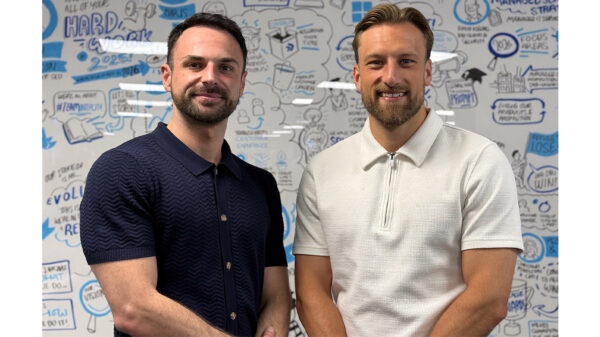
Vivek Behl, VP of Strategy at WalkMe, says the findings highlight a growing misalignment between enterprise AI ambitions and day-to-day employee experience. “AI is dominating headlines and boardrooms, but our research reveals a stark disconnect between ambition and reality,” Behl said. “If businesses continue to overlook the end user, AI risks becoming a source of stress rather than a driver of productivity.” Behl urges organisations to prioritise human-centred adoption strategies: “To realise the benefits vendors are promising, businesses need visibility into how employees are actually using AI. Rather than layering complexity, leaders must focus on unified, seamless experiences. Digital adoption is no longer a ‘nice to have’ – it’s mission-critical.”