

If you’re thinking about a property investment, there’s one key choice to make right at the start – commercial or residential? Both can prove to be profitable, but they work in different ways.
It’s important to have a grasp on each type before committing to either, so here’s a breakdown of property investment types and which one might prove better for your situation.
Introduction to Property Investment Types
Residential properties are where people live – houses, flats, and shared homes. These are typically rented on 6 or 12-month agreements, although sometimes short-term lets can be a viable option.
Commercial properties, on the other hand, are spaces where businesses operate. These can include shops, offices, restaurants and factories. These usually come with longer leases, so a business has more stability and can plan more effectively.
Running these properties feels quite different. With commercial buildings, you might need more specialist knowledge but have fewer day-to-day headaches. Residential lets often need more regular attention, but there’s always someone looking for a place to call home.
Profitability Analysis of Commercial vs. Residential
When it comes to the profit each type could get you, the numbers tell an interesting story. Commercial properties can often deliver more sizable rental yield with the additional benefit of having longer leases, and they’ll typically need to pay for their own repairs, which can protect your bottom line.
However, residential properties such as houses and flats tend to grow in value more reliably over time, while a rental yield calculator can give you a clear idea of the monthly income. It can also be easier to secure a buy-to-let mortgage for them too, with a smaller deposit required to get started and less stringent lending criteria.
Finding tenants also impacts your profitability. Depending on your commercial property’s location and size, it may end up sitting empty for a while until the right business comes along. Residential properties like flats in popular areas rarely stay vacant for long, but you may need an estate agent to manage the day-to-day for you.
Risk Factors and Market Trends
The main thing to remember about property is that the market is never static. The UK property market is unrecognisable from 10 years ago, even five years ago, in some regards. There are more buy-to-let companies than ever before, becoming the most common business type in the country.
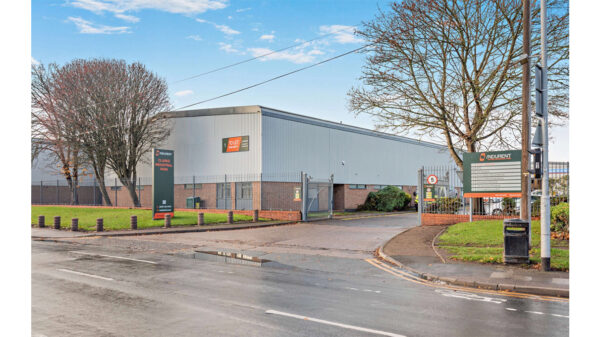
Across practically all high streets in the UK, commercial units can be seen standing vacant as our reliance on online shopping has changed our cities. Yet you can also see warehouses and industrial units booming due to that same influx of online shopping and e-commerce sites.
The rules are different too. Commercial property comes with complex planning regulations but fewer tenant protection laws, while residential investments face stricter rules about safety, energy efficiency and tenant rights.
So which is more profitable? It depends on what you want. Commercial property often delivers better immediate returns but comes with bigger risks. Residential investment might grow more steadily over time and proves easier to manage. And for that reason, a diverse portfolio of both could be just the ticket. But if you can only go down one avenue for now, think what’ll prove better for your situation now and then reevaluate at regular intervals.