3D imagery is essential to numerous industries in the UK, including entertainment, business, medicine and tech. Unreal Engine, although widely used in gaming, is now being adopted as a way to support architectural developments, as well as in film and animation.
You also have Sketchfab, which is often used to improve online shopping experiences by giving the customer the chance to see a product in 3D before purchasing. When you combine software potential with recent initiatives, it’s not hard to see why 3D technology has a huge part to play in the UK’s rise to becoming a global superpower.

The Endless Potential of 3D Technology
3D technology has endless potential. Architects like ZHA in London use 3D modelling software to create buildings, like The London Aquatics Centre, before moving to the construction phase. In animation, 3D technology can be used to create CGI characters and scenes, helping to bring characters to life when, through traditional means, this would not have been possible. It’s even prominent in iGaming, with an example being the Spin Till You Win Roulette online casino game. In this game, you have a 3D representation of a roulette wheel, with everything done to scale. The game offers a realistic and immersive experience, using physics to determine how the ball moves about the spinning wheel. 3D graphics make it possible for the user to see the ball bouncing around the pockets, before eventually coming to a stop.

Exploring the Potential of 3D Technology in the UK
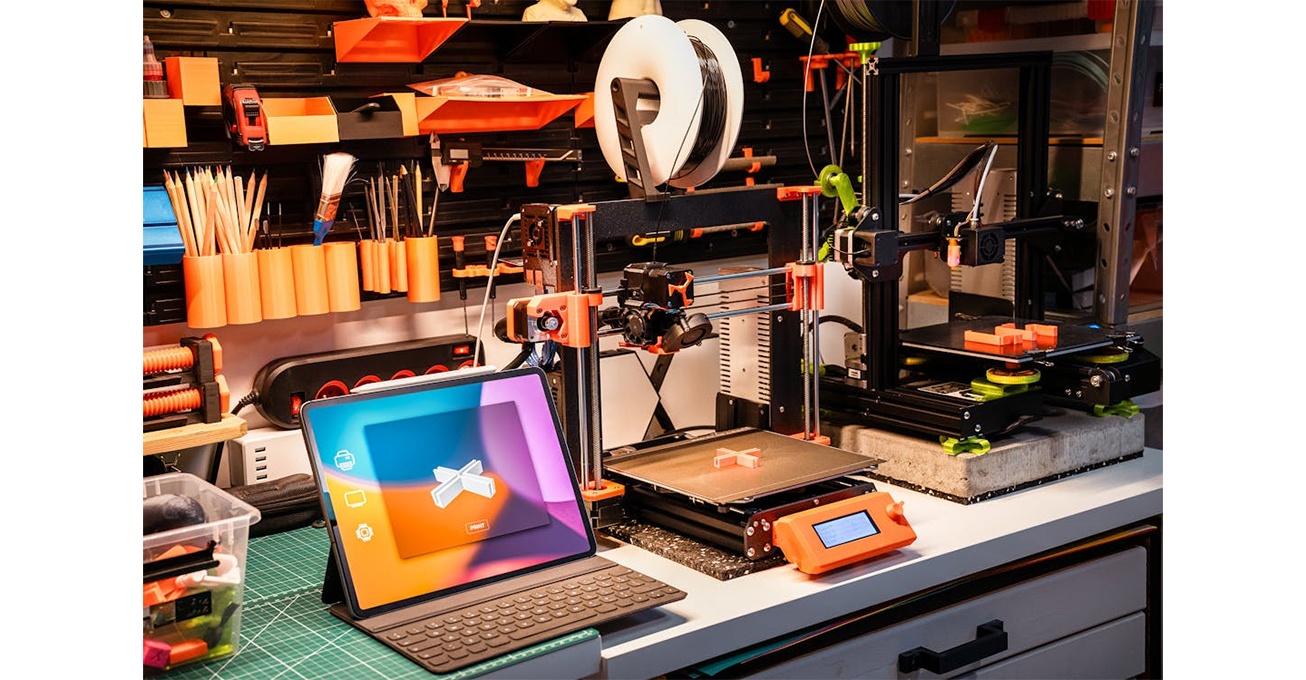
The 3D technology sector is witnessing rapid growth across several fields. Significant government support is helping a lot here, with a notable mention being the Sustainable Smart Factory Competition. Funding like this helps to support new movements, including recycling-based 3D printing. 3D software can also be used to design new and efficient machinery, something which has the potential to save up to 300,000 tons of CO2 emissions every year.
Within the UK construction sector, FARO Technologies’ 3D scanning laser is set to enhance infrastructure projects and construction. Hexagon’s Digital Twin technology is another example of how strong the UK’s 3D market is, as their new technology has shown potential for cutting emissions and reducing costs so that operations can be run more sustainably across the whole country.
Advancements like this help to reinforce the fact that the UK could well become a leader in digital technology and sustainability, and with 3D technology being essential to this progress, it’s not surprising to see that it is driving the country’s goal of becoming a tech superpower by the year 2030.
The UK has also launched the National Manufacturing Strategy, as they continue to invest in tech. This supports start-ups and firms that use 3D technology, as a way to try and solidify a robust ecosystem that attracts global investment while furthering economic and sustainable goals. Advancements and initiatives like this are paving the way for the country while showcasing exactly what 3D technology is capable of as we embrace a new digital era.