
- Business activity growth ticks down but still solid.
- Firms looks to the future with less optimism.
- Local rate of job creation remains resilient.
The latest NatWest Growth Tracker report showed a ninth straight monthly rise in the level of business activity across the North West private sector in September.
The headline North West Business Activity Index registered 52.6, down from a reading of 54.0 in August. The fall in the index towards the 50.0 no-change threshold indicated a slowdown in the rate of expansion compared with that seen the month before. Nevertheless, the latest increase in total output of goods and services was still solid overall and matched the rate of growth recorded across the UK as a whole.
Although remaining positive, local firms’ expectations towards activity in the coming year weakened for a second straight month to the lowest since January. They also moved below the UK average. Anecdotal evidence attributed this partly to the news flow around possible tax increases, as well concerns for health of economic conditions in mainland Europe.
In line with trend seen in each month since May, firms in the North West reported a rise in the workforce numbers in September. Higher employment was linked to not only growing workloads, but also business expansion plans, which included investment in sales and marketing teams.
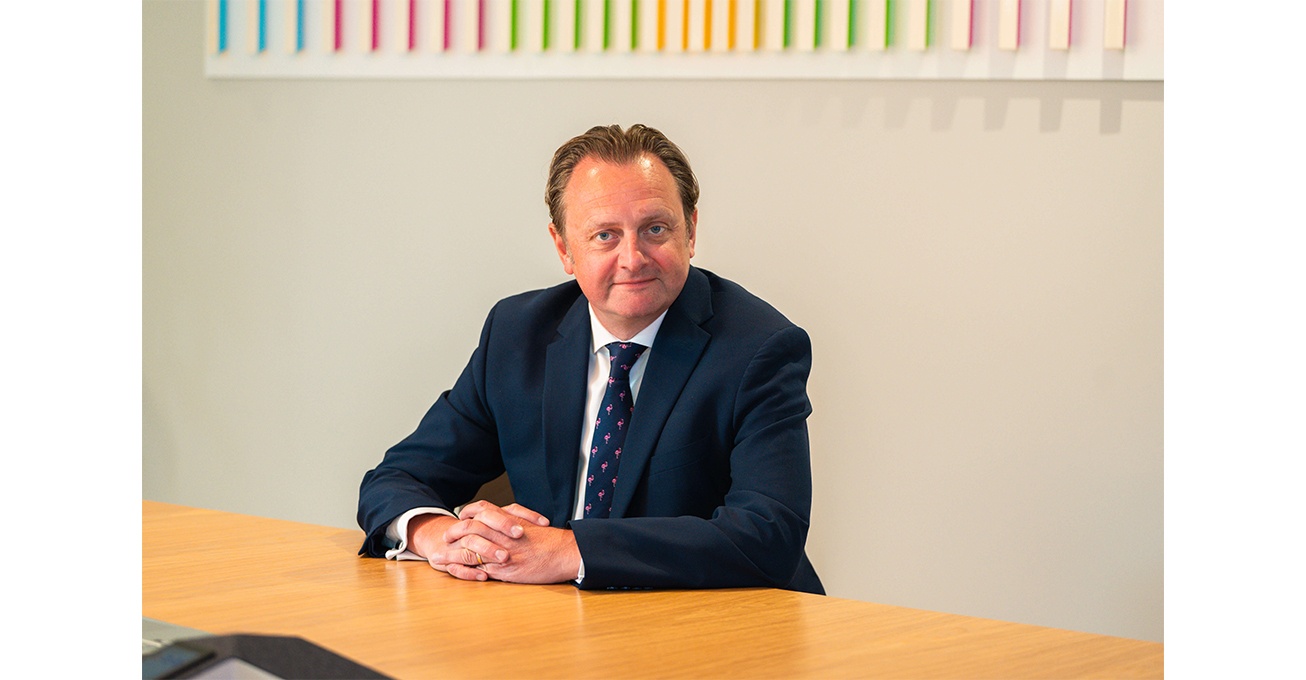
Malcolm Buchanan, Chair of the NatWest North Regional Board, said: “The North West finished the third quarter with another solid month of growth in September. Stronger demand and rising inflows of new business continued to provide tailwinds for the local economy. Business expectations have, however, fallen back further from July’s post-election high, perhaps a reflection of recent rhetoric around the fiscal outlook. Even so, employment growth is still ticking along nicely. Cost pressures have been running at a more comfortable level in the past couple of months, with firms reporting a rate of increase that matches the pre-pandemic trend as well as slower price rises of their own.”


Performance in relation to UK
Higher levels of activity in September were underpinned by increased numbers of new orders and projects, reports from local businesses showed, with both the manufacturing and services sectors making positive contributions to growth in September.
Demand conditions continued improving across the North West private sector during September, as highlighted by a sustained upturn in inflows of new work received by local firms. The rate of growth was solid, although it eased for the third consecutive month to the weakest since March and was below the UK average.
The pace of job creation was solid and unchanged from that recorded in August. It also exceeded the UK average.
Staffing capacity was sufficient that local businesses were able to complete orders more quickly than they received them, leading to a further reduction in the amount of backlogged work. The rate of depletion was the slowest for a year-and-a-half, although it was still quicker than that seen across the UK as a whole.
Firms based in the North West were less aggressive in their price-setting in September. Average charges for goods and services rose at the slowest rate since May and one that broadly matched the long-run series average. Output price inflation in the region was virtually in line with the national rate.
Where businesses raised prices, they generally linked this to the pass-through of higher costs, such as wages and various raw materials, to customers. Overall, operating expenses increased at a rate that was unchanged from August’s ten-month low and equal to the long-run trend seen before the pandemic. The region’s cost inflation was the slowest nationally.